

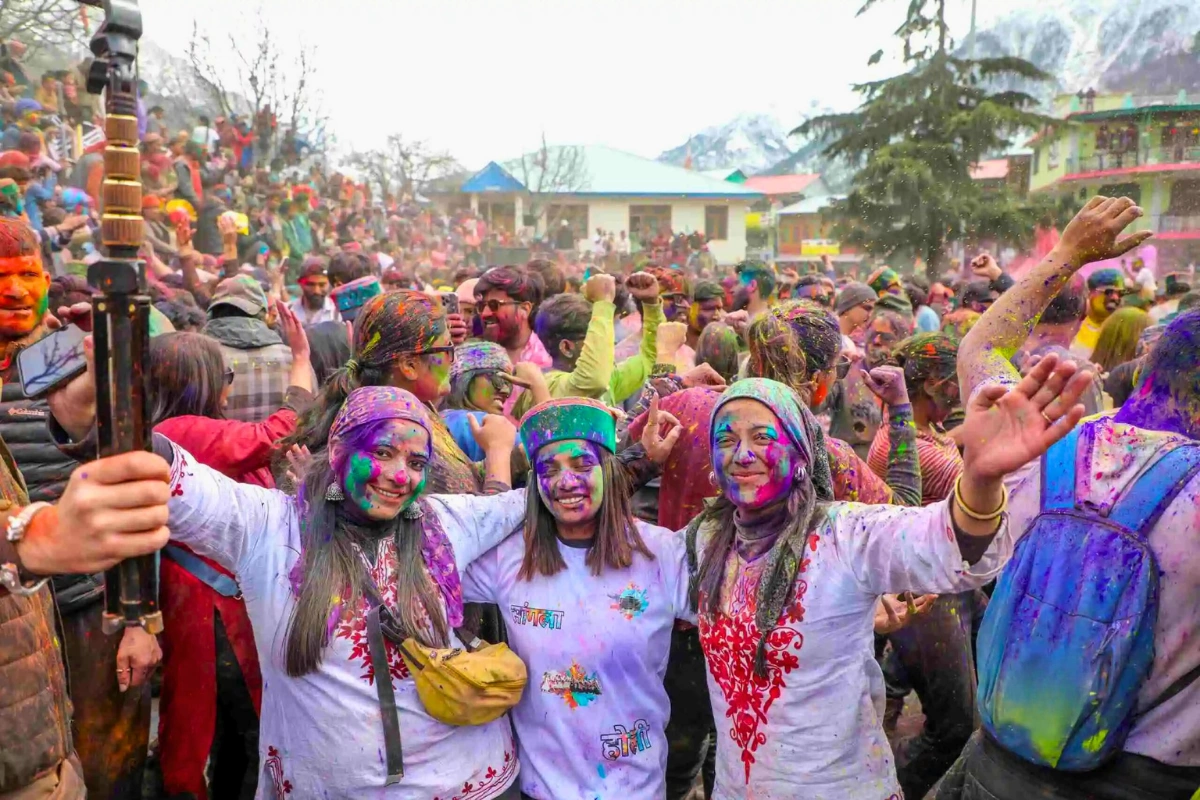

Sangla Holi 2026: Imagine a Holi celebration unlike any other—not the boisterous, color-drenched chaos of the plains, but a serene, spiritually rich festival nestled amidst the majestic, snow-capped peaks of the Indian Himalayas. This is Sangla Holi, an integral part of Kinnaur’s ancient Faguli Festival, an experience that transcends mere revelry to offer a deep dive into authentic Himalayan culture.
If you’re a backpacker seeking genuine cultural immersion, breathtaking landscapes, and an eco-conscious celebration, then Sangla in March 2026 calls to you. Prepare to be enchanted by natural colors, traditional dances, and the warm hospitality of the Kinnauri people.
In a world where many festivals have become commercialized, Sangla Holi remains a pristine testament to age-old traditions. Here, the essence of good triumphing over evil, the arrival of spring, and the strengthening of community bonds are celebrated with a profound respect for nature and heritage. This comprehensive guide is your essential companion for navigating Sangla Holi 2026, ensuring you’re well-prepared for an unforgettable journey.
We’ll cover everything from precise dates and travel logistics to cultural etiquette, accommodation hacks, and money-saving tips, all designed to make your Himalayan adventure both seamless and deeply rewarding. Join us as we explore how to experience this unique festival, away from the usual tourist trails, and immerse yourself in a celebration that truly touches the soul.
Sangla Holi 2026: Your Essential Guide to Himalayan Festivities
Steeped in ancient traditions and set against the breathtaking backdrop of the Baspa Valley, Sangla Holi offers a unique cultural spectacle. Unlike the mainstream celebrations, this festival is deeply spiritual, community-focused, and refreshingly eco-friendly. It’s an opportunity to witness history come alive and connect with the heart of Kinnauri heritage.
Sangla Holi 2026: Quick Facts
- What: Sangla Holi is an integral part of the 4-day Faguli Festival in the Kinnaur region. It beautifully blends elements of both Holi and Diwali, celebrating the triumph of good over evil and the vibrant arrival of spring. The focus here is on spiritual depth, strong community bonds, and eco-friendly practices, using natural colors and even snow play.
- When: The festival is from Feb 28th to March 3rd, 2026, with the main Holi celebration occurring on March 2nd, as there is a lunar eclipse on 3rd March. Some local sources may also mention March 15th for aspects of the broader Faguli Festival. Please note that these dates are subject to lunar cycles and local customs, so verifying with local sources closer to the date is absolutely crucial.
- Where: Sangla Valley, nestled within the Kinnaur District of Himachal Pradesh. This picturesque setting is renowned for its dramatic snow-capped peaks, verdant landscapes, and the meandering Baspa River, providing an idyllic backdrop for the festivities.
Key Unique Features of Sangla Holi
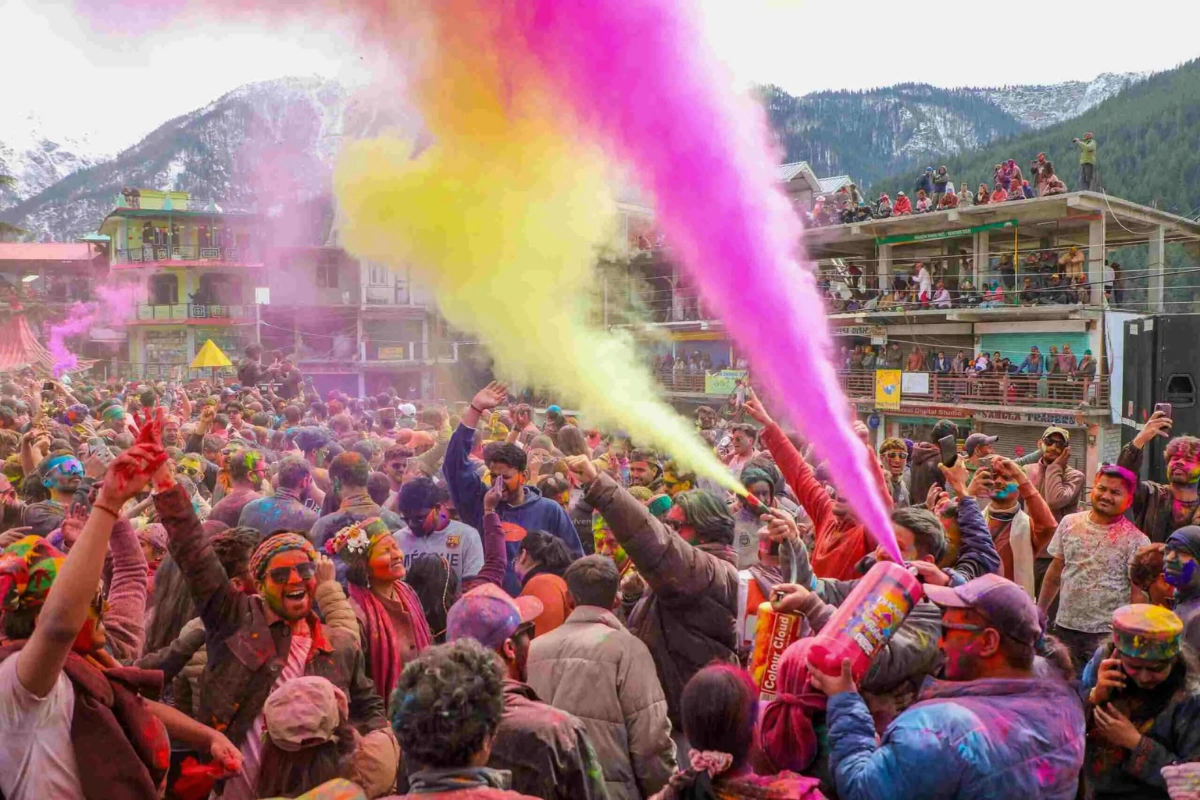
- Natural Colors: Unlike the synthetic powders used elsewhere, colors here are derived from flowers and plants. This commitment promotes eco-friendliness and is gentle on the skin, aligning with the region’s respect for nature.
- Snow Play: Weather permitting, you might experience the truly unique joy of playing with natural colors amidst fresh snow—a picturesque and invigorating experience unique to the high Himalayas.
- Phagli Dance: Witness the captivating Phagli Dance, a traditional folk dance performed by villagers dressed in distinctive attire. This intricate performance symbolizes the profound harmony between humans and the natural world.
- Ramayana Reenactments: Villagers, adorned as characters from the ancient epic Ramayana, reenact scenes, adding significant spiritual and cultural depth to the celebrations.
- “Totu” Prasad: A special, sacred offering shared among the community is “Totu”—a delicious dish of roasted barley flour and buttermilk, symbolizing communal sharing and blessings.
- Oil Lamps: Evoking the spirit of Diwali, oil lamps (diyas) are lit throughout the evenings, casting a warm, magical glow across the valley and homes.
Why Sangla Holi is Special
- Authentic Himalayan Experience: This celebration is far removed from the usual tourist traps and commercialized chaos. It offers a raw, genuine glimpse into Himalayan life.
- Deep Cultural Immersion: Participate in age-old traditions and interact genuinely with welcoming locals, fostering truly memorable connections.
- Strong Community Engagement: Experience the warmth of Kinnauri hospitality as you join community feasts and ancient rituals.
- Eco-Friendly Approach: Celebrate with natural, locally sourced colors, reflecting a deep respect for the environment.
- Spiritual Depth: The festival is deeply rooted in ancient traditions and reverence for local deities, offering a spiritual journey.
- Breathtaking Scenery: All festivities unfold amidst the majestic, unparalleled beauty of the Himalayan landscape, making every moment picturesque.
Sangla Holi 2026: Dates, Weather & Best Time to Visit
Planning your trip around the festival dates and understanding the weather conditions is paramount for a comfortable and enjoyable experience. March in Sangla is transitionary, offering both the last vestiges of winter and the promise of spring.
- Dates: As mentioned, Feb 28th to March 3, 2026, with the main celebration on March 2nd. However, it is absolutely crucial to verify these dates closer to your travel time with official sources like Himachal Pradesh Tourism or the Kinnaur district administration.
- Weather in March: Expect Sangla in March to still be very much in winter’s grip. There is a high potential for fresh snowfall, and temperatures will be chilly. Average daytime temperatures range from 10°C, but nights can plunge to -5°C. Heavy woolens, thermals, and waterproof outerwear are not just recommended—they are essential. Be prepared for potential road closures due to heavy snowfall, particularly on higher passes.
- Crowd Levels: While lively and spirited, Sangla Holi typically sees moderate crowd levels compared to India’s more mainstream Holi destinations. This allows for a more intimate and less overwhelming experience.
- Accommodation: Demand for accommodation will be significantly higher during the festival period. Booking your stay well in advance (at least 3–4 weeks prior) is highly recommended to secure your preferred option.
- Recommendation: To truly soak in the atmosphere and witness pre-festival rituals, aim to arrive a day or two before the main Holi date. This gives you time to acclimatize and absorb the local rhythm.
How to Reach Sangla Valley
Reaching Sangla Valley is an adventure in itself, traversing winding mountain roads. While challenging, the journey rewards you with unparalleled views and a sense of truly earning your destination.
- By Air:
- The nearest airports are Shimla Airport (SLV), approximately 223–238 km away, Chandigarh Airport (IXC) at 315 km, and Bhuntar Airport (KUU), 242 km from Sangla.
- From any of these airports, you’ll need to hire a taxi or catch a local bus to continue your journey to Sangla.
- By Train:
- The nearest major railway station is Kalka (KLK), about 307 km from Sangla.
- From Kalka, consider the picturesque Kalka–Shimla Toy Train to Shimla. Once in Shimla, you can proceed to Sangla by taxi or bus.
- By Bus:
- From Delhi: There are no direct buses to Sangla. First, take an overnight bus to Shimla or Rampur. From there, you can catch a connecting HRTC (Himachal Road Transport Corporation) bus to Sangla. The entire journey can take 12–16 hours and cost around ₹1070.
- From Shimla: Regular HRTC buses ply to Sangla, taking approximately 6–10 hours and costing ₹380–₹550.
- From Chandigarh: Take a bus to Shimla first, then connect to a Sangla-bound bus. This leg of the journey typically takes 8–10 hours.
- By Car/Bike:
- The common route is via Shimla, Kufri, Narkanda, Rampur, and Karcham.
- Be aware that road conditions, especially between Karcham and Sangla, can be rugged and challenging. In March, they can be particularly affected by snow and ice.
- Important: Avoid night travel in the mountains due to reduced visibility and challenging terrain. Always check for winter road closures before setting out, as these are common.
Getting Around Sangla Valley
Once you’ve arrived, navigating Sangla Valley offers several options, each providing a distinct way to experience the region’s charm and beauty. Prioritize local modes of transport for a truly immersive journey.
- Walking: This is arguably the best way to explore Sangla village itself and the nearby village of Batseri. Walking offers a truly slow travel experience, allowing you to appreciate the intricate Kinnauri architecture, interact with locals, and soak in the serene atmosphere at your own pace.
- Local Buses: HRTC buses do connect Sangla to larger towns like Reckong Peo and potentially further to Chitkul. However, services can be limited in March and are highly susceptible to disruptions or cancellations due to snowfall and icy road conditions. Always inquire locally for the latest schedules.
- Auto-rickshaws: Auto-rickshaws are quite scarce in Sangla. You might find a few for very short distances within the main village. Be prepared to haggle for fares, as meters are non-existent.
- Shared Taxis/Cabs: These are a common and cost-effective option for inter-village travel, such as a day trip from Sangla to Chitkul. If you’re traveling in a group, sharing a taxi significantly reduces costs. Always negotiate the price with the driver beforehand to avoid any misunderstandings.
- Bike/Scooter Rental: Due to the icy and snowy conditions often prevalent in March, coupled with the poor quality and ruggedness of mountain roads, renting a bike or scooter is generally not recommended for safety reasons.
Where to Stay in Sangla for Holi 2026
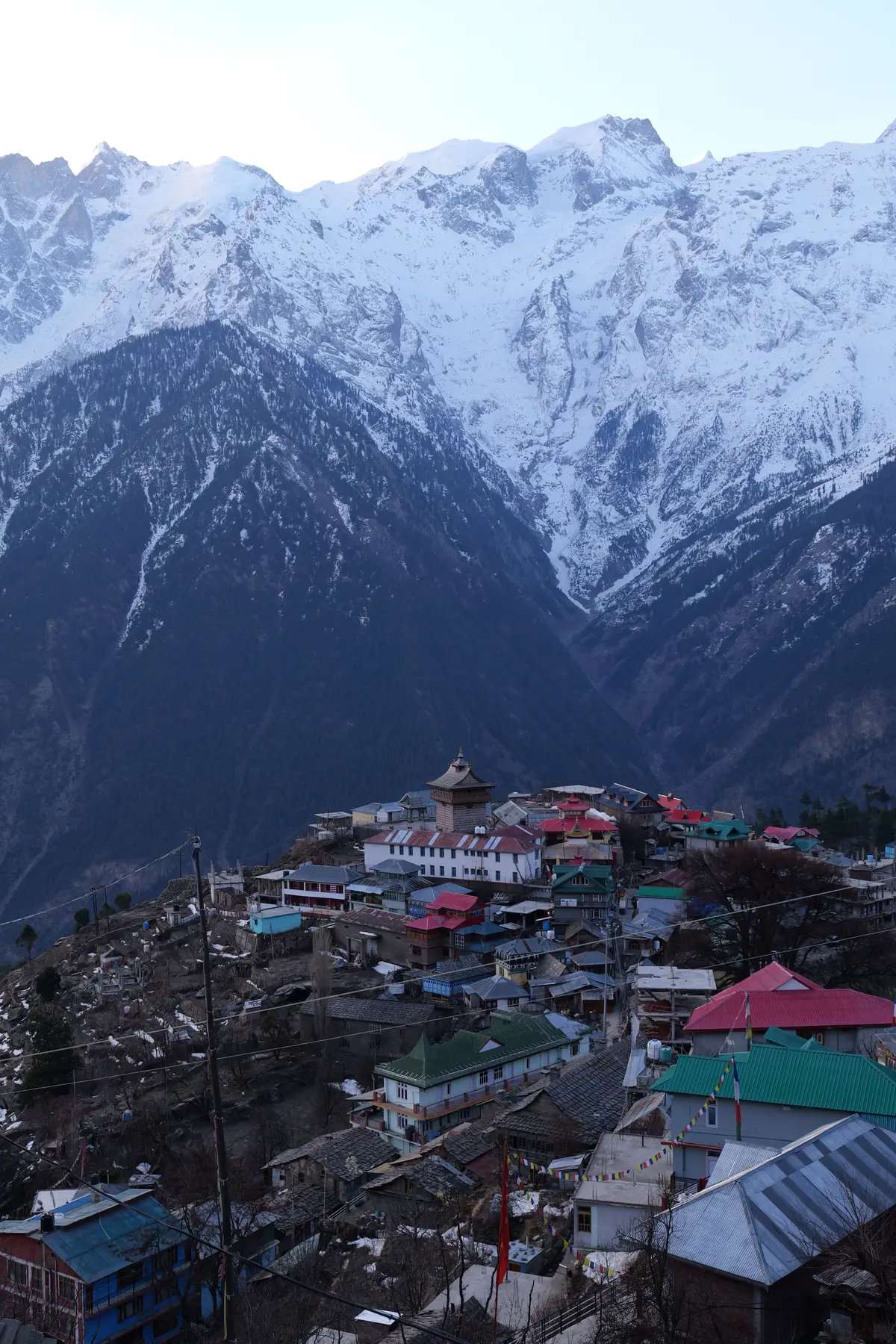
Sangla offers a range of accommodation options, from budget-friendly hostels to culturally rich homestays and comfortable hotels. Booking early is essential to secure your preferred spot, especially during the festival season.
- Best Areas: For proximity to the main celebrations and easy access to community events, staying within Sangla village or the charming, traditional village of Batseri is highly recommended.
- Budget Hostels:
- Zostel Sangla: A popular choice for backpackers, averaging around ₹1265/night (October 2025 pricing).
- Zostel Kalpa: Consider this as an alternative if Sangla options are fully booked, though it requires additional travel to Sangla for the festival.
- Book at least 5–6weeks in advance as budget options fill up quickly.
- Authentic Homestays: Highly recommended for a truly immersive cultural experience and direct interaction with local families. Prices typically range from ₹800–₹2000+ per night (October 2026). Examples include:
- Shanti Homestay
- Ashiana Guest House
- Maa Bhagwati Home Stay
- Mid-Range Hotels & Resorts: For those seeking more comfort, several options offer excellent amenities:
- Hotel Prakash Regency Sangla
- Hotel Geetanjali
- Hotel Batseri Sangla
- Banjara Resort
- The Kamru Riverside Camps (consider for a unique experience, but check March temperatures)
- Prices for these can range from ₹1177–₹6943 per night (October 2024), depending on the property and room type.
- Camping: While tempting by the Baspa River (e.g., Sangla Valley Camping), be acutely mindful of the very cold March temperatures. Ensure your camping gear is suitable for sub-zero conditions.
- Booking: Utilize popular booking platforms such as Booking.com, Expedia, MakeMyTrip, and Agoda. Due to the festival demand, always book well in advance to avoid disappointment.
Experiencing Sangla Holi: Rituals, Dances, and Ancient Traditions
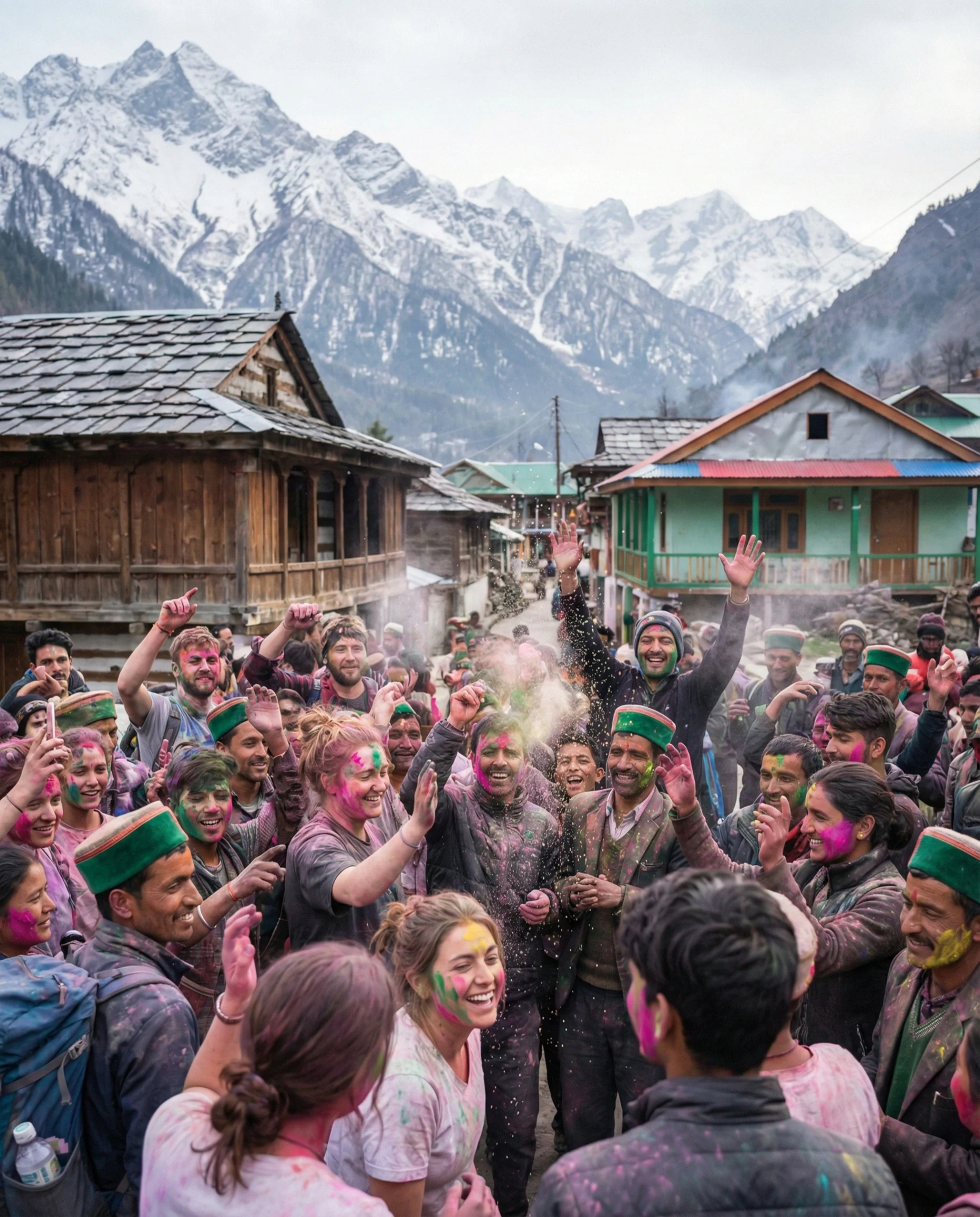
Sangla Holi is far more than just a playful exchange of colors; it’s a living tapestry of ancient rituals, vibrant dances, and deeply ingrained community traditions. Immerse yourself completely to understand its true essence.
- The Four-Day Faguli Festival: Sangla Holi is not a standalone event but a significant part of the 800-year-old Faguli Festival. This unique celebration beautifully blends elements typically associated with both Diwali and Holi, making it a truly distinctive cultural experience.
- Holika Dahan: The festival traditionally begins with a Holika Dahan ceremony—a sacred bonfire night that powerfully symbolizes the victory of good over evil. This ritual is a solemn yet uplifting start to the festivities.
- Nag Temple Gatherings: Throughout the festival, villagers gather at local Nag temples to perform sacred rituals, seeking blessings for prosperity, happiness, and protection from the elements. These are profound moments of spiritual connection.
- “Totu” Distribution & Community Feasts: A highlight is the sharing of “Totu,” a special offering of roasted barley flour and buttermilk. This is followed by communal dining, where stories, laughter, and local wines (like “Phasur” and “Angoori”) are shared, strengthening community bonds.
- Phagli Dance: Prepare to be captivated by the Phagli Dance. This traditional performance involves intricate footwork, vibrant, colorful costumes, and often unique masks. It’s a powerful visual representation of the Kinnauri people’s harmony with nature and their cultural identity.
- Ramayana Reenactments: Villagers passionately perform scenes from the revered epic tale of the Ramayana. This adds a profound spiritual and narrative layer to the celebrations, connecting attendees to ancient Indian mythology.
- Holi with Natural Colors & Snow: The iconic color play uses eco-friendly, natural colors derived from plants. In March, this often combines with the exhilaration of playing amidst snow. While participating, always remember to respect local customs; seek permission before applying colors, and avoid any aggressive or unwanted application.
- Diwali-like Lamp Lighting: As dusk falls, oil lamps (diyas) are lit in homes and across the valley, creating a warm, magical ambiance reminiscent of Diwali, further emphasizing the festival’s unique blend of traditions.
- Community Interaction: Beyond the organized events, cherish the spontaneous interactions. Share stories with locals, partake in their joyful Nati dance, and experience the unparalleled warmth of Kinnauri hospitality.
- Faag Mela: On the final day, the Faag Mela takes place at Sangla Chowk. This traditional fair features prayers, captivating folk music, and more energetic dances, marking a vibrant conclusion to the festival.
Beyond Holi: Exploring Sangla Valley’s Hidden Gems
While Sangla Holi is the main draw, the valley itself is a treasure trove of natural beauty and cultural landmarks. Allocate extra days to explore these captivating sites and truly appreciate the region’s charm.
- Kamru Fort: Just 2 km from Sangla, this ancient wooden fort is a historical marvel. Dedicated to Kamakhya Devi, it offers not only a glimpse into Kinnauri architecture but also panoramic, breathtaking views of the surrounding valley.
- Rakcham Village: A picturesque village nestled between Sangla and Chitkul, Rakcham is renowned for its unspoiled natural beauty. It’s an ideal spot for tranquil walks, photography, and offers popular camping grounds by the river.
- Baspa River Trails: The Baspa River, flowing through the valley, offers numerous serene trails. Enjoy peaceful walks along its banks, try your hand at trout fishing (with proper permits), or simply relax and soak in the soothing sounds of the flowing water.
- Batseri Village: A short walk or drive from Sangla, Batseri is a charming village distinguished by its well-preserved traditional Kinnauri wooden architecture. It’s a fantastic place to observe local life and craftsmanship.
- Tibetan Wood Carving Center: Near Sangla, you can visit a Tibetan Wood Carving Center. Here, witness skilled artisans creating intricate wooden artifacts, a testament to the region’s rich artistic heritage.
- Sangla Meadows (Sangla Kanda): Lush grasslands adorned with vibrant flowers (in warmer months) and offering spectacular views of Kinner Kailash. It’s perfect for nature walks, photography, and simply enjoying the vast expanse of the Himalayan landscape.
A Taste of Kinnaur: Sangla Holi Food Guide
Kinnauri cuisine is a delightful blend of Himachali and Tibetan influences, characterized by fresh, local ingredients and hearty flavors. Exploring the food scene is an integral part of your cultural immersion.
- Must-Try Dishes:
- Totu: The festival special, roasted barley flour mixed with buttermilk—a unique, traditional savory treat.
- Siddu: A steamed, savory bread often stuffed with various fillings, a Himachali staple.
- Chha Gosht: A flavorful meat dish, slow-cooked in a rich gravy (for non-vegetarians).
- Local Dal: Simple yet incredibly comforting lentil preparations using locally grown pulses.
- Thukpa: Hearty Tibetan noodle soup, perfect for chilly mountain evenings.
- Momos: Delicious Tibetan dumplings, a universally loved mountain snack.
- Best Places to Eat:
- Sonu’s Cafe: A popular spot for local and comfort food.
- Explore the numerous local dhabas for authentic and budget-friendly meals.
- Street Food & Budget Eating: Street food options in Sangla are quite limited. For budget-conscious travelers, local dhabas are your best bet, offering complete meals for approximately ₹80–₹150 per person (as of October 2025).
- Vegetarian & Vegan Options: Kinnauri cuisine offers plenty of delicious vegetarian dishes. For vegan options, you may need to specifically inquire about ingredients like dairy in dishes and request adjustments.
- Local Drinks: Don’t miss trying “Phasur” and “Angoori,” traditional fruit wines made from local produce. Exercise moderation, especially at altitude, as alcohol can affect you more intensely.
Sangla Holi Cost: Complete Budget Breakdown for 2026
A well-planned budget ensures a stress-free trip. Here’s a comprehensive breakdown to help you manage your expenses for Sangla Holi 2026, offering estimates for different travel styles.
- Daily Budget Ranges (Per Person/Day):
- Shoestring/Backpacker: Approximately ₹1500–₹2000 per day.
- Mid-range: Approximately ₹2000–₹5000 per day.
- Accommodation (Per Night, March 2025 pricing):
- Hostels: Dorm beds ₹300–₹800, private rooms ₹3000+.
- Homestays: ₹1500–₹3000.
- Hotels: ₹2000–₹15000, depending on luxury and location.
- Food & Drink (Per Day, October 2024 pricing):
- Local Dhabas: ₹100–₹200 per meal.
- Mid-range restaurant: ₹250–₹400 per meal.
- Total daily food budget: Expect to spend ₹500–₹800.
- Activity & Festival Costs: Most participation in Sangla Holi rituals is free. Day trips requiring taxis or shared cabs will vary based on distance and group size.
- Transportation (to/from Sangla, One-way, October 2024 pricing):
- Bus (from major cities like Delhi/Shimla): ₹600–₹1500.
- Taxi from Shimla: ₹6000–₹5500.
- Sample 3-Day Shoestring Budget: Excluding flights to major cities (which can add significant cost), a 3-day trip could cost roughly ₹10000. This covers bus transportation to/from Sangla, dorm/homestay accommodation, local food, and shared local transport, plus a small buffer for miscellaneous expenses.
- Money-Saving Tips:
- Always opt for HRTC buses for long-distance travel.
- Stay in homestays or hostel dorms for cheaper accommodation.
- Eat at local dhabas for authentic and affordable meals.
- Carry essential snacks and toiletries from larger towns to avoid inflated prices in Sangla.
- Travel in groups to split the cost of shared taxis for local sightseeing.
Sangla Holi Itinerary: 3–5 Days
Depending on how much time you have, you can tailor your Sangla Holi experience. Remember, mountain travel can be unpredictable, so building in buffer days is always a wise decision.
- 2-Day Immersion:
- Focus: Immerse yourself fully in the core festival days.
- Highlights: Witness Holika Dahan, participate in Nag Temple rituals, experience the vibrant Phagli dance, join the color play with natural colors, and enjoy a local community feast.
- 3-Day Explorer:
- Combines: Core festival experiences with local exploration.
- Highlights: In addition to the festival, explore Sangla village, visit Kamru Fort for history and views, stroll along the Baspa River, and check out the Tibetan wood carving center.
- 5-Day Kinnaur Adventure:
- Expands: Your journey to include more of the Kinnaur Valley.
- Highlights: Attend Sangla Holi, take day trips to the picturesque villages of Chitkul (India’s last village) and Rakcham, and visit Kalpa for its iconic Kinner Kailash views.
- Recommendation: Always build buffer days into your itinerary, especially when traveling in the mountains. Unforeseen weather conditions, road closures, or travel delays can easily impact your schedule.
Essential Tips for Visiting Sangla Holi 2026
A successful and respectful visit to Sangla Holi requires preparation. These essential tips cover everything from permits to cultural etiquette, ensuring a smooth and enriching experience.
- Visa & Inner Line Permits (ILP):
- Foreign Nationals: An Inner Line Permit (ILP) is typically required for foreign nationals visiting the Kinnaur region due to its proximity to the border. Apply for this permit at least 30 days in advance through official channels.
- Indian Tourists: Indian citizens usually need to register at various check-posts upon entering Kinnaur.
- Crucial: Always check the most current guidelines from the Ministry of Home Affairs (MHA) and the Himachal Pradesh government before your trip, as rules can change.
- Safety:
- Sangla is generally a safe destination. However, practice basic precautions as you would anywhere else.
- Be particularly aware of road conditions, especially if traveling by private vehicle.
- During Holi, Sangla’s celebration is known for its respectful nature. However, if you encounter any unwanted attention, be firm, set boundaries, and move away.
- Cultural Etiquette:
- Dress Modestly: When visiting temples or participating in community events, opt for modest attire.
- Respect Local Deities: Do not touch palanquins carrying deities or cross the lines of priests during rituals.
- Colors: Always ask for permission before applying colors to someone, especially elders or those you don’t know well.
- Participate Mindfully: Engage with the festivities, but do so respectfully and without aggression.
- No Littering: Help preserve the pristine beauty of the Himalayas by carrying your trash until you find a designated bin.
- What to Pack (March): March in Sangla is cold. Pack strategically:
- Heavy woolens and thermal wear: Layering is key.
- Down jacket: With a rating suitable for -5°C to -25°C.
- Woolen socks and waterproof snow boots: With excellent grip for icy surfaces.
- Gloves, warm cap, and scarf.
- Sunglasses, sunscreen, moisturizer, and lip balm: Essential for sun protection and combating dry, cold air.
- clothes: To wear specifically for the color play during Holi.
- SIM Cards & Connectivity:
- BSNL and Jio typically offer the best coverage in Kinnaur, but even they can be spotty, often providing only 2G speeds.
- Postpaid SIM cards might offer slightly more reliable connectivity than prepaid ones.
- ATMs & Money:
- ATMs in Sangla are scarce and can be unreliable (often out of cash).
- It is highly advisable to carry sufficient cash for your entire trip.
- **Rampur is a reliable town for withdrawing cash before you enter the more remote Kinnaur Valley.
- Healt& Altitude Sickness:
- Sangla sits at an elevation of 2621m (8600 ft). While not extremely high, altitude sickness (AMS) can still occur.
- Acclimatize: Consider spending a night in ckong Peo (lower altitude) before proceeding to Sangla.
- Hydrate: Drink plenty of water and avoid excessive alcohol consumption.
- Symptoms: Watch for headaches, nausea, dizziness, and fatigue. Descend immediately if symptoms worsen.
- Carry a basic first-aid kit and any personal medications.
- Responsible Tourism:
- Minimize Waste: Reduce your plastic consumption and carry reusable water bottles.
- Support Local: Buy from local businesses, artisans, and homestays.
- Respect Environment: Stick to marked trails, do not litter, and leave no trace.
- Holi Preparation:
- Before playing Holi, apply a generous layer of oil (coconut or mustard) to your skin and hair. This creates a protective barrier, making it easier to wash off colors later.
5 Common Mistakes to Avoid During Sangla Holi 2026
Forewarned is forearmed. Being aware of potential pitfalls will help you have a smoother, more enjoyable, and culturally sensitive experience during Sangla Holi.
- Not verifying festival dates. As lunar cycles govern many festivals, the exact dates can shift. Always double-check with official local tourism boards closer to your travel time.
- Underestimating the cold weather and not packing adequate warm clothing. March in Sangla is still winter, with chances of snow and sub-zero temperatures. Layers, thermals, and a heavy winter jacket are non-negotiable.
- Not booking accommodation and transportation in advance. Festival periods see a surge in visitors, making last-minute bookings challenging and more expensive. Secure your stays and travel tickets well beforehand.
- Ignoring local customs and traditions. Sangla Holi is deeply rooted in Kinnauri culture. Showing respect for rituals, asking permission before applying colors, and dressing modestly (especially in temples) will enhance your experience and endear you to locals.
- Not carrying enough cash due to limited ATM availability. ATMs in remote areas like Sangla can be unreliable or frequently out of service. Carry sufficient cash for your entire stay, as card payments are rare.
Frequently Asked Questions About Sangla Holi
What is the significance of Sangla Holi?
Sangla Holi is a unique blend of ancient traditions, celebrated as part of the Faguli Festival in Kinnaur. It symbolizes the triumph of good over evil, the arrival of spring, and fosters strong community bonds. Unlike mainstream Holi, it emphasizes eco-friendly practices with natural colors and incorporates elements similar to Diwali, such as lighting oil lamps. It’s a deep cultural and spiritual immersion into Himalayan heritage.
Are Inner Line Permits required for Sangla?
Yes, foreign nationals typically require an Inner Line Permit (ILP) to visit the Kinnaur region, including Sangla, due to its proximity to the international border. It is advisable to apply for this permit at least 30 days in advance through the relevant government portals. Indian tourists usually need to register at check-posts upon entry. Always verify the latest regulations from the MHA and Himachal Pradesh government.
What are the weather conditions in Sangla during March?
March in Sangla is still quite cold, often experiencing winter conditions. Average daytime temperatures can range around 10°C, but nights can drop significantly, reaching -5°C or even lower. There is a high likelihood of snowfall, and roads can be icy. Packing heavy woolens, thermals, and waterproof outerwear is crucial for comfort and safety.
Is Sangla Holi safe for solo female travelers?
Sangla is generally considered a safe destination. Sangla Holi is known for its respectful and community-oriented nature, differing from the more aggressive celebrations found elsewhere. However, standard travel precautions are always recommended. Dress modestly, be aware of your surroundings, and if you encounter any uncomfortable situations, be firm and remove yourself. Staying in homestays can offer an added layer of security and local connection.
What unique traditions can I expect at Sangla Holi?
You can expect several unique traditions including the Phagli Dance (a traditional folk dance), Ramayana reenactments by villagers, the sharing of “Totu” (roasted barley flour and buttermilk as prasad), and the lighting of oil lamps akin to Diwali. The use of natural, eco-friendly colors and the possibility of playing Holi amidst snow are also distinct features of Sangla’s celebration.
Conclusion
Sangla Holi 2026 offers more than just a festival; it’s an invitation to step into a world where ancient traditions thrive amidst unparalleled natural beauty. This guide has laid out the roadmap for an unforgettable adventure, from understanding the spiritual depth of the Faguli Festival to navigating the practicalities of travel, accommodation, and budget. By embracing the local customs, respecting the environment, and arriving prepared for the crisp Himalayan March, you’re set to experience a Holi that resonates deeply with culture, community, and the majestic spirit of the mountains.
Remember, the heart of Sangla Holi lies in its authenticity—the vibrant Phagli dances, the profound Ramayana reenactments, the shared “Totu,” and the gentle play of natural colors against a snowy backdrop. It’s a journey that promises not just sights, but deep connections with welcoming locals and an insight into a way of life that cherishes heritage and harmony. This is your chance to witness an India often unseen, a celebration that slows down time and fills the soul.
So, pack your warmest layers, secure your permits, and prepare to be enchanted. Sangla awaits with its unique blend of spiritual fervor and natural splendor. This isn’t just a trip; it’s an enriching pilgrimage into the heart of Himachal. Don’t miss the opportunity to make memories that will last a lifetime, steeped in the vibrant, genuine culture of the Kinnaur Valley. Plan your escape to Sangla now and discover a Holi celebration that truly stands apart.
0 Comment